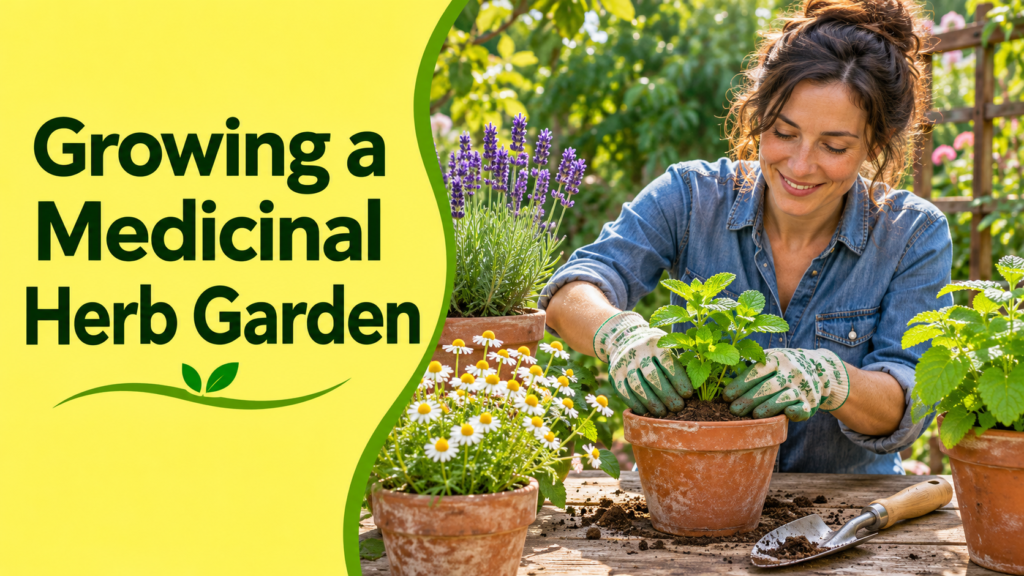
There’s something deeply satisfying about stepping outside to pick fresh peppermint for an after-dinner tea or snipping a few sprigs of lemon balm on a stressful afternoon. A medicinal herb garden puts many of the world’s most popular traditional remedies right at your doorstep. It can be as small as a few pots on a sunny balcony or as large as a dedicated backyard bed.
Most medicinal herbs are surprisingly easy to grow. Many are hardy, drought-tolerant and happy in ordinary soil, and they attract bees and butterflies too. But a medicinal garden also calls for some care: correct plant identification, safe harvesting and an understanding that “natural” doesn’t always mean harmless. This guide covers choosing a site, the best herbs for beginners, planting and care, harvesting and drying, safety, and the costs of getting started.
Table of Contents
Why Grow Your Own Medicinal Herbs?
- Freshness and flavor: Homegrown herbs are often more aromatic than store-bought dried herbs.
- Savings: One plant can supply a season’s worth of tea for less than the price of a single box.
- Quality control: You know exactly how your plants were grown, with no unwanted pesticides.
- Wellness habits: Gardening itself is relaxing, gets you outdoors and encourages healthy routines.
- Pollinator support: Many herbs, like lavender, echinacea and calendula, attract bees and butterflies.
Planning Your Herb Garden
Choose a Sunny Spot
Sunlight is the most important factor in site selection. Most herbs require at least six hours of direct sunlight in order to grow well. All-day sun is even better. A few herbs are more flexible. There are, however, some herbs, such as parsley and mint, that will tolerate part shade.
Prioritize Drainage
Herbs dislike wet feet. Drainage is probably the single most important factor in successful herb gardening. Herbs stall, and may die, in soggy soil. If your soil is heavy clay, consider raised beds or containers. Most herbs will not do well in poorly drained clay soils unless a lot of work is done to improve drainage and tilth.
Check Your Soil
Most herbs grow best in well-drained soil with a pH between 6.0 and 7.5. Avoid heavy clay, soggy soils, and overly fertile sites. Many Mediterranean herbs, such as sage, thyme and rosemary, actually develop stronger aromatic oils in lean soil, so don’t overfeed them.
Ground Beds, Raised Beds or Containers?
| Option | Best For | Pros | Cons |
|---|---|---|---|
| In-ground bed | Larger yards | Low cost, plants spread naturally | Harder to control drainage and spread |
| Raised bed | Clay or poor soil | Excellent drainage, easier on your back | Higher setup cost |
| Containers | Balconies, patios, renters | Movable, controls invasive herbs | Needs more frequent watering |
| Windowsill | Small spaces, winter | Year-round access | Limited light and plant size |
Most herbs grow well in containers. Just remember that outdoor container herbs may need daily watering in hot weather.
Best Medicinal Herbs for Beginners
Peppermint and Spearmint
Mint is the classic digestive tea herb and nearly impossible to kill. The catch is that it spreads aggressively underground. Mint can become very invasive and is best grown in a container with well-drained soil. Harvest often to keep plants bushy.
Chamomile
German chamomile is an easy annual with small daisy-like flowers used for calming bedtime tea. It reseeds itself readily. Harvest the flowers when fully open, and dry them for tea. People with ragweed allergies should be cautious.
Lemon Balm
A member of the mint family with a fresh lemon scent, lemon balm is used for relaxation tea. It’s hardy, grows in sun or light shade and self-seeds, so trim flowers to keep it in check.
Lavender
Lavender is loved for its fragrance and used in aromatherapy, sachets and baths. It needs full sun and excellent drainage and hates wet winter soil. Choose English lavender for colder climates.
Calendula
Also called pot marigold, calendula has bright orange or yellow flowers traditionally used in skin salves and creams. It’s an easy annual that blooms for months and attracts pollinators.
Echinacea
Purple coneflower is a hardy, drought-tolerant perennial traditionally used for colds. It’s beautiful in flower beds and loved by butterflies. Roots are typically harvested from plants that are at least three years old.
Thyme
A low-growing perennial traditionally used for coughs and sore throats, thyme thrives in poor, dry soil and full sun. It also works as an attractive ground cover.
Sage
Sage is an evergreen perennial with gray-green, aromatic leaves. Sage likes sunny areas with dry, well-drained soil. Sage can be trimmed back in spring for bushier, fuller growth. Sage tea is a traditional gargle for sore throats.
Holy Basil (Tulsi)
Tulsi is revered in Ayurveda and makes a fragrant, slightly spicy tea. It’s a warm-season plant that needs heat and sun, and it’s usually grown as an annual outside tropical climates.
Rosemary
Rosemary is an evergreen perennial that works well as a landscape plant but can also be grown in a container. Sun and good drainage are essential. Bring it indoors in winter in cold regions.
Ginger and Turmeric
These tropical roots can be grown from fresh store-bought rhizomes in large pots. They need warmth, humidity and a long season, so they’re best for warm climates or indoor growing.
Medicinal Herb Quick Reference
| Herb | Type | Sun | Traditional Use | Part Used |
|---|---|---|---|---|
| Peppermint | Perennial | Sun to part shade | Digestion | Leaves |
| Chamomile | Annual | Full sun | Relaxation, sleep | Flowers |
| Lemon balm | Perennial | Sun to part shade | Calm, stress | Leaves |
| Lavender | Perennial | Full sun | Aromatherapy, relaxation | Flowers |
| Calendula | Annual | Full sun | Skin care | Flowers |
| Echinacea | Perennial | Full sun | Colds | Roots, flowers |
| Thyme | Perennial | Full sun | Coughs, sore throat | Leaves |
| Sage | Perennial | Full sun | Sore throat gargle | Leaves |
| Tulsi | Annual | Full sun | Stress, wellness tea | Leaves |
| Ginger | Tropical perennial | Partial shade | Nausea | Rhizome |
Planting and Care
Starting From Seeds, Seedlings or Cuttings
Annuals like chamomile, calendula and tulsi grow easily from seed. Perennials like lavender, rosemary and sage are often easier to buy as young plants. Many herbs can also be propagated from cuttings. Many herbs can also grow from a piece cut from a living plant. This is called “propagation.”
Watering
Water deeply but let the top layer of soil dry between waterings. Avoid soggy soil. Constant moisture encourages root rot, especially indoors. Drought-tolerant herbs like thyme, sage, rosemary and lavender need even less.
Feeding
Most herbs need little fertilizer. Herbs grown in the ground need little to no fertilizer. A layer of compost each spring is usually enough. Container herbs need occasional feeding because nutrients wash out with watering.
Pruning and Pinching
Regular harvesting keeps herbs compact and productive. Pinch the tips of leafy herbs like mint, basil and lemon balm to encourage branching. Cut back woody perennials like sage and lavender in spring, but avoid cutting into old bare wood.
Pests and Problems
Herbs are generally pest-resistant thanks to their aromatic oils. Watch for aphids, spider mites and root rot. Good airflow, proper spacing and well-drained soil prevent most problems. Avoid chemical pesticides on plants you plan to consume.
Harvesting Medicinal Herbs
When to Harvest
- Leaves: Harvest in the morning after the dew dries. For many herbs, the best flavor comes just before flowering.
- Flowers: Pick chamomile, calendula and lavender when the flowers are fully open.
- Roots: Dig roots like echinacea in autumn after the plant dies back.
How Much to Take
Never harvest more than about one-third of a plant at a time. This allows it to recover and keep producing.
Drying and Storing Herbs
Air Drying
Air drying is simple and preserves flavor well. Harvest after dew dries. Bundle 4 or 5 stems together. Hang upside down in a dark, dry, well-ventilated area. Label bundles to prevent mix-ups. Allow 7-14 days to dry.
Using a Dehydrator
A food dehydrator is faster and more consistent. Spread herbs in a single layer on trays. Dry at 95 to 115°F for 2 to 6 hours. Leaves are dry when they crumble easily.
Storage Tips
- Store dried herbs in airtight glass jars away from light and heat.
- Label each jar with the herb name and date.
- Keep leaves whole until use to retain oils and flavor.
- Use dried leafy herbs within about a year for the best quality.
Safety First: Know Your Plants
Correct Identification Is Essential
Some medicinal herbs have toxic look-alikes, and mistakes can be serious. Comfrey offers a cautionary example: it has been confused with foxglove, a poisonous plant with similar leaves. Several cases of accidental ingestion of what was thought to be comfrey herbal tea occurred, resulting in poisoning and death in one case. Buy plants from reputable nurseries, keep labels on your plants, and never consume anything you can’t identify with certainty.
Herbs to Avoid Taking Internally
Some traditional garden herbs are not safe to eat or drink. Comfrey is the best-known example. It contains pyrrolizidine alkaloids that are hepatotoxic, mutagenic, and carcinogenic, and in June 2001, the FDA asked all manufacturers to remove products containing comfrey from the market. Foxglove is another plant to keep away from your tea shelf. Foxglove (Digitalis purpurea) is a heart poison, and the source of a powerful prescription heart drug.
| Plant | Concern |
|---|---|
| Comfrey | Liver toxicity; do not ingest |
| Foxglove | Heart poison; ornamental only |
| Lily of the valley | Heart toxins; ornamental only |
| Coltsfoot | Liver-toxic alkaloids |
| Pennyroyal | Toxic oil; dangerous in pregnancy |
| Tansy | Toxic in larger amounts |
Keep Children and Pets Safe
Label your garden clearly and keep toxic ornamentals away from areas where children play. Some herbs that are safe for people, such as essential-oil-rich plants, can be harmful to cats and dogs.
Talk to Your Doctor Before Using Herbs Medicinally
Homegrown herbs still contain active compounds that can interact with medications. Check with a doctor or pharmacist before using herbs regularly, especially if you are pregnant, breastfeeding, have a chronic condition or take blood thinners, blood pressure medicines or sedatives. Herbs can support wellness, but they are not a substitute for medical care.
Costs, Budget and Insurance
A medicinal herb garden can be very affordable. Seed packets cost only a few dollars, young plants cost a little more, and many perennials come back every year for free. Raised beds, quality potting mix and containers are the biggest upfront costs.
| Item | Approximate Cost | Notes |
|---|---|---|
| Seed packets | Low | Best for annuals |
| Young nursery plants | Low to moderate | Best for perennials |
| Containers and pots | Low to moderate | Reuse old pots to save |
| Potting mix and compost | Moderate | Essential for containers |
| Raised bed kit | Moderate to high | Ideal for poor soil |
| Food dehydrator | Moderate | Optional for drying |
Health insurance doesn’t cover gardening supplies or homegrown remedies, but gardening’s benefits, including more physical activity, stress relief and healthier eating, support overall wellness. If you get hurt while gardening, homeowners insurance may cover certain injuries to visitors on your property, while your health insurance covers your own medical care. If you plan to sell homemade herbal products, check your local rules for licensing, labeling and product liability insurance, because health claims on herbal products are regulated.
Final Thoughts
A medicinal herb garden is a rewarding, low-cost project that brings fresh, fragrant herbs into your daily life. Start small with easy, reliable plants like peppermint, chamomile, lemon balm, calendula, thyme and sage. Give them sun, good drainage and light feeding, harvest regularly, and dry your surplus for year-round teas. Above all, grow and use herbs safely: identify plants correctly, avoid toxic species like comfrey and foxglove for internal use, and talk to your doctor before using herbs to treat any health condition.
Frequently Asked Questions
1. What are the easiest medicinal herbs to grow?
Peppermint, lemon balm, chamomile, calendula, thyme and sage are great for beginners.
2. How much sun do herbs need?
Most herbs need at least six hours of direct sun a day.
3. Can I grow medicinal herbs indoors?
Yes. Mint, lemon balm, thyme and tulsi grow well on a sunny windowsill or under grow lights.