Inflammation has a bad reputation, but it isn’t always harmful. Short-term inflammation is how your body heals a cut, fights an infection or repairs an injury. The trouble starts when inflammation lingers at a low level for months or years. This kind of chronic, low-grade inflammation is linked to heart disease, type 2 diabetes, obesity, joint problems and other long-term health conditions.
The good news is that your daily food choices can make a real difference. You don’t need special products or extreme diets. Research consistently points to a simple, plant-rich eating pattern built around fruits, vegetables, whole grains, healthy fats and fish. This guide explains how inflammation works, the best anti-inflammatory foods, the foods to limit, a sample meal plan, and how to eat this way on a budget.
Table of Contents
What Is Chronic Inflammation?
Acute vs Chronic Inflammation
Acute inflammation is short-lived and helpful. Chronic inflammation is different. As opposed to acute inflammation, chronic inflammation is not resolved over time and is characterized by the sustained production of proinflammatory molecules with detrimental actions on various organ and system levels. Harvard Health describes it as a state of persistent activation of the immune system.
Why It Matters for Long-Term Health
Chronic inflammation is tied to many common diseases. The inflammatory process plays an important role in the pathogenesis of many chronic diseases, such as cardiovascular diseases, diabetes mellitus type 2, and metabolic syndrome. Serum C-reactive protein (CRP) and interleukin-6 (IL-6) are widely tested inflammatory markers involved in the development of these diseases. In heart health specifically, subclinical chronic inflammation plays a key role in the development of atherosclerosis, a key factor in the initiation of CVDs.
What Causes It
Many factors contribute, including excess body fat, smoking, inactivity, poor sleep, chronic stress and diet. Many unhealthy lifestyle habits contribute to chronic inflammation, especially eating a lot of foods, like potato chips, cookies, or frozen pizza, that can promote inflammation.
How Food Affects Inflammation
Diet is one of the most practical tools you have. “Many experimental studies have shown that components of foods or beverages may have anti-inflammatory effects,” says Dr. Frank Hu, professor of nutrition and epidemiology in the Department of Nutrition at the Harvard School of Public Health. He also warns of the reverse: “Choose the right anti-inflammatory foods, and you may be able to reduce your risk of illness. Consistently pick the wrong ones, and you could accelerate the inflammatory disease process.”
Plants do much of the heavy lifting. Plants are key to anti-inflammatory eating because they’re a major source of antioxidants—compounds that can help prevent or delay the damage inflammation causes.
There Is No Single “Anti-Inflammatory Diet”
The term describes a pattern, not a strict plan. In truth, an official anti-inflammatory diet doesn’t exist, says Jeanne Luongo, a dietitian at Harvard-affiliated Beth Israel Deaconess Medical Center. The overall diet matters more than any single “superfood”. To practice anti-inflammatory eating, it’s best to focus on an overall healthy diet rather than singling out individual “good” and “bad” foods.
The Best Anti-Inflammatory Foods
Berries and Colorful Fruits
Berries, cherries and oranges are rich in antioxidants such as anthocyanins and vitamin C. Harvard Health’s list of foods that fight inflammation reads like a produce aisle: strawberries, blueberries, cherries, oranges, spinach, kale, collards, tomatoes.
Leafy Greens and Vegetables
Spinach, kale, broccoli and other vegetables provide vitamins, minerals, fiber and protective plant compounds. “Plant-based foods provide us with vitamins, minerals, fiber, and phytochemicals-plant chemicals that appear to fight free radicals [molecules that damage cells] and may protect our cells against inflammation, cancer growth, and viruses,” according to Harvard Health experts.
Fatty Fish
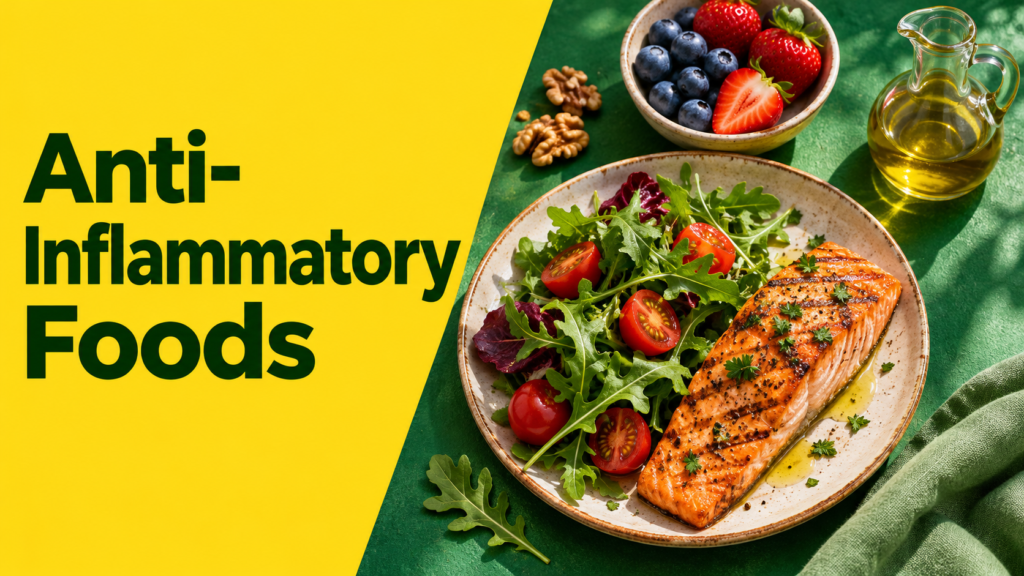
Fish rich in omega-3s are a staple of anti-inflammatory eating. The omega-3 fatty acids in salmon and other types of fish, such as tuna, sardines, and mackerel, have been linked with better heart health, possibly due to their anti-inflammatory properties. Harvard recommends that you eat at least two servings of fatty fish per week and at least five servings of fruits and vegetables per day (two fruits, three vegetables).
Olive Oil and Healthy Fats
Extra virgin olive oil is central to the Mediterranean diet. In older adults, consumption of monounsaturated fatty acids or olive oil resulted in a significant reduction in C-reactive protein levels.
Nuts and Seeds
Walnuts, almonds, chia and flaxseeds offer healthy fats and fiber. Studies have also associated nuts with reduced markers of inflammation and a lower risk of cardiovascular disease and diabetes.
Coffee, Tea and Cocoa
Your daily drink can help too. The polyphenols in coffee and the flavanols in cocoa are thought to have anti-inflammatory properties. Green tea is also rich in both polyphenols and antioxidants. Keep them unsweetened to get the benefit.
Whole Grains and Legumes
Oats, brown rice, quinoa, beans and lentils provide fiber that feeds healthy gut bacteria and supports steady blood sugar.
Spices and Herbs
Turmeric, ginger, garlic, cinnamon and fresh herbs add flavor and plant compounds that are being studied for anti-inflammatory effects. They are easy to add to everyday cooking.
Anti-Inflammatory Foods at a Glance
| Food Group | Examples | Key Compounds |
|---|---|---|
| Berries and fruits | Blueberries, strawberries, cherries, oranges | Anthocyanins, vitamin C |
| Leafy greens | Spinach, kale, collards | Vitamins, polyphenols |
| Vegetables | Tomatoes, broccoli, peppers | Lycopene, sulforaphane |
| Fatty fish | Salmon, sardines, mackerel, tuna | Omega-3 fatty acids |
| Healthy oils | Extra virgin olive oil | Monounsaturated fats, polyphenols |
| Nuts and seeds | Walnuts, almonds, chia, flax | Healthy fats, fiber |
| Whole grains | Oats, barley, brown rice | Fiber |
| Legumes | Beans, lentils, chickpeas | Fiber, plant protein |
| Drinks | Green tea, coffee, cocoa | Polyphenols, flavanols |
| Spices | Turmeric, ginger, garlic | Curcumin, gingerols |
Foods That May Promote Inflammation
Some foods are linked to higher inflammation when eaten often. Harvard’s list includes soda and other sugar-sweetened beverages. Red meat (burgers, steaks) and processed meat (hot dogs, sausage). Margarine, shortening, and lard. Ultra-processed products are another concern. Foods that cause inflammation include ultra-processed foods like microwaveable dinners, chicken nuggets, dehydrated soups, sugary cereals, biscuits, and sauces.
| Limit These | Healthier Swap |
|---|---|
| Soda and sweetened drinks | Water, unsweetened tea or coffee |
| White bread and refined pasta | Whole grain bread and pasta |
| Processed meats | Fish, beans, poultry |
| Fried fast food | Home-cooked meals with olive oil |
| Sugary cereals and pastries | Oats with berries and nuts |
| Margarine and shortening | Olive oil |
| Packaged snacks | Nuts, fruit, roasted chickpeas |
The Mediterranean Diet: The Best-Studied Pattern
If you want a ready-made template, the Mediterranean diet has the strongest research. Some of the world’s healthiest ways of eating, such as the plant-rich Mediterranean diet, are linked with lower rates of inflammatory diseases. A meta-analysis of randomized trials found that the Mediterranean diet appeared as the dietary pattern that showed the most prominent reductions of inflammatory biomarkers. Its pattern is simple: its key components are high consumption of vegetables, fruits, legumes, nuts, and fish coupled with moderate consumption of dairy, meats, and wine.
Long-term results are encouraging too. In a large Italian study, an increased Mediterranean Diet Score over time was associated with decreased levels in the Inflammatory score. The authors concluded that these findings suggest the potential of a traditional Mediterranean eating pattern to help reduce the long-term risk of inflammation-related chronic diseases in an ageing population.
Sample One-Day Anti-Inflammatory Meal Plan
| Meal | Example |
|---|---|
| Breakfast | Oatmeal with blueberries, walnuts and a sprinkle of cinnamon, plus green tea |
| Mid-morning | An orange and a handful of almonds |
| Lunch | Spinach and chickpea salad with tomatoes, olive oil and lemon dressing |
| Snack | Plain yogurt with ground flaxseed |
| Dinner | Grilled salmon with brown rice and roasted broccoli with garlic |
| Evening | Turmeric and ginger tea or a small piece of dark chocolate |
Simple Tips to Get Started
- Fill half your plate with vegetables and fruit at lunch and dinner.
- Cook with olive oil instead of butter, margarine or shortening.
- Eat fish twice a week, or use walnuts, chia and flax if you’re vegetarian.
- Swap refined grains for whole grains one meal at a time.
- Replace sugary drinks with water, tea or coffee.
- Cook more at home to cut back on ultra-processed foods.
- Add spices like turmeric, ginger and garlic to everyday meals.
Lifestyle Habits That Support Lower Inflammation
Food works best alongside other healthy habits:
- Regular exercise: Even brisk walking most days helps.
- Healthy weight: Excess body fat, especially around the waist, drives inflammation.
- Good sleep: Aim for 7 to 9 hours a night.
- Stress management: Meditation, yoga or time outdoors can help.
- No smoking and limited alcohol: Both affect inflammation and overall health.
Budget, Insurance and Health Costs
Anti-inflammatory eating doesn’t have to be expensive. Frozen berries and vegetables, canned salmon and sardines, dried beans, lentils, oats and seasonal produce are all affordable and nutritious. Buying in bulk and cooking in batches saves even more.
Health insurance usually doesn’t cover groceries or supplements, but preventive care is often covered. A routine checkup with blood tests can check cholesterol, blood sugar and, when your doctor thinks it’s useful, inflammation markers such as CRP. Some plans also cover visits with a registered dietitian for conditions like diabetes or heart disease. Preventing chronic disease through diet can reduce long-term medical bills, prescription costs and insurance claims, which makes healthy eating a smart financial move as well as a health one.
| Affordable Option | Anti-Inflammatory Benefit |
|---|---|
| Frozen berries | Antioxidants year-round |
| Canned salmon or sardines | Omega-3 fats |
| Dried beans and lentils | Fiber and plant protein |
| Oats | Whole grain fiber |
| Seasonal vegetables | Vitamins and polyphenols |
| Bulk spices | Flavor and plant compounds |
Final Thoughts
An anti-inflammatory diet isn’t a strict plan or a fad. It’s a simple, sustainable way of eating built on fruits, vegetables, whole grains, legumes, nuts, olive oil and fatty fish, with fewer sugary drinks, processed meats and ultra-processed foods. The Mediterranean diet is the best-studied example and a great place to start. Combine it with exercise, good sleep and stress management for the strongest results, and talk to your doctor if you have a chronic inflammatory condition.
Frequently Asked Questions
1. What is the most anti-inflammatory food?
No single food is best. Berries, leafy greens, fatty fish, olive oil and nuts are among the top choices.
2. How long does an anti-inflammatory diet take to work?
Some changes in inflammation markers can appear within weeks, but the bigger benefits come from long-term habits.
3. Is the Mediterranean diet anti-inflammatory?
Yes. It is the best-studied eating pattern for lowering inflammation markers such as CRP.