Herbal teas are one of the simplest pleasures in a healthy routine. They are warm, comforting, mostly caffeine-free and available in hundreds of flavors, from cooling peppermint to tart hibiscus to spicy ginger. Many people drink them to unwind in the evening, settle an upset stomach, or replace sugary drinks and extra coffee.
But herbal teas are not all the same. Each one comes from a different plant, with different compounds, possible benefits and safety concerns. Some have solid research behind them, while others rely mainly on tradition. This guide explains what herbal teas are, the most popular types and what science says about them, which ones need caution, and how to brew and buy them wisely.
Table of Contents
What Is Herbal Tea?
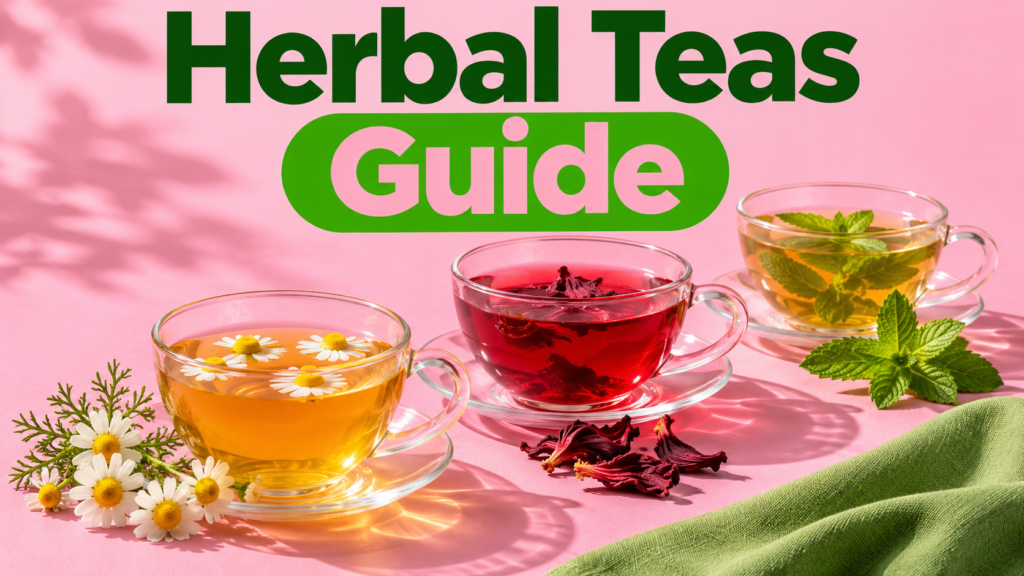
Herbal tea, also called a tisane, isn’t technically “tea” at all. True teas such as green, black and oolong come from the Camellia sinensis plant. Herbal teas are made from flowers, leaves, roots, seeds, bark or fruit of other plants. Common examples include chamomile, peppermint, ginger, hibiscus, fennel, rooibos, and lemon balm. The likely effect varies from one herb to another, so there is no single set of benefits that applies to all herbal teas.
Many store-bought blends combine several herbs. This combination or combinations of plant products might include chamomile, lemongrass, peppermint, spearmint, rosehips, ginger, cinnamon, licorice root, pomegranate, stinging nettle, valerian, rooibos, and more, so it’s worth reading the ingredient list.
How Strong Is the Evidence?
Research on herbal teas varies a lot. Evidence for herbal tea ranges from well-studied to very limited. Some herbs have a long history of traditional use and early research suggesting benefits, while others have less reliable evidence. Nutrition experts often single out three as having the best support. More research is needed to back up the claims of most herbal teas, but nutritionists point to three exceptions that they say may offer modest benefits. Those are ginger, hibiscus and peppermint.
Popular Herbal Teas and Their Benefits
Peppermint Tea
Peppermint is one of the most popular herbal teas worldwide and a classic after-dinner drink. The oil in peppermint leaves may help with upset stomach by calming muscle spasms in the digestive tract. Most of the strongest research is on concentrated peppermint oil rather than tea. A 2022 review of 10 studies (involving 1,030 participants) found that peppermint oil was better than placebo at improving overall IBS symptoms and reducing abdominal pain but caused more side effects than placebo. The tea itself is gentle: peppermint tea, which is made from peppermint leaves, appears to be safe. However, the long-term safety of consuming large amounts of peppermint leaf is unknown. People with acid reflux may find peppermint makes heartburn worse.
Ginger Tea
Ginger is the go-to herb for nausea. Studies consistently find ginger effective at relieving nausea, especially in early pregnancy, although it may also ease nausea caused by cancer treatments and surgery. It may also help with digestive discomfort and period pain. Fresh ginger slices steeped in hot water make an easy, warming homemade tea.
Hibiscus Tea
Hibiscus is a tart, ruby-red tea with some of the best evidence for heart health among herbal teas. In one well-known study, one group drank three cups of hibiscus tea a day; the other drank a hibiscus-flavored placebo. Those who drank the real hibiscus had lowered blood pressure. The research isn’t perfect, though: many studies have found that hibiscus tea reduced high blood pressure, although most studies were not high quality. Because it can lower blood pressure, people on medication should be careful. Be sure to talk with a doctor before drinking hibiscus tea if you’re taking diuretics, as it may interact with your medication.
Chamomile Tea
Chamomile is the classic bedtime tea, made from daisy-like flowers. It’s widely used for relaxation and sleep, though the evidence for treating insomnia is weak. It’s generally safe, but people allergic to ragweed, daisies or related plants should be cautious.
Rooibos Tea
Rooibos, or red bush tea, comes from South Africa. It’s naturally caffeine-free with a smooth, slightly sweet taste. Research is still early: preliminary evidence suggests that rooibos tea may help improve bone health and reduce heart disease risk, but more studies are needed.
Echinacea Tea
Echinacea is popular during cold and flu season. Echinacea tea is commonly used to prevent or shorten the duration of the common cold. While several studies have found it to be effective for this use, the evidence on the matter is conflicting.
Lemon Balm, Fennel and Others
Lemon balm is a mild, citrusy herb used for relaxation. Fennel tea is traditionally used for bloating and gas. Lemongrass, rose hip, cinnamon and tulsi (holy basil) teas are also popular, though research on most of them is limited.
Herbal Tea Quick Guide
| Tea | Flavor | Common Use | Evidence |
|---|---|---|---|
| Peppermint | Cool, minty | Digestion, bloating | Good for peppermint oil in IBS |
| Ginger | Spicy, warming | Nausea, digestion | Good for nausea |
| Hibiscus | Tart, fruity | Blood pressure | Moderate |
| Chamomile | Floral, mild | Relaxation, sleep | Limited |
| Rooibos | Smooth, sweet | General wellness | Preliminary |
| Echinacea | Earthy | Colds | Mixed |
| Lemon balm | Citrusy | Relaxation | Limited |
| Fennel | Licorice-like | Bloating, gas | Limited |
| Licorice root | Very sweet | Sore throat, digestion | Limited, safety concerns |
Safety: Herbal Doesn’t Always Mean Harmless
Most common herbal teas are safe in normal amounts, but some herbs can cause problems. Limited toxicological study of herbal teas has been conducted, meaning the safety of many of these products is unknown. Herbs can also interact with medicines. Some herbs may affect blood clotting, blood pressure, blood sugar, sedation, or how the liver processes medicines.
Licorice Root: The Biggest Caution
Licorice root appears in many “throat comfort” and sweet herbal blends. In large amounts, it can be risky. In large amounts, licorice containing glycyrrhizin can cause high blood pressure, salt and water retention, and low potassium levels, which could lead to heart problems. Even small amounts can matter for some people: even small amounts of glycyrrhizin from licorice root products have been linked to severe adverse effects in people who consume a lot of salt, in people with hypertension, and in people with heart or kidney conditions. Licorice also may increase the risk of premature delivery. Thus, pregnant women should not take licorice.
Ginger and Blood Thinners
Ginger may add to the effect of blood-thinning drugs. The common warning for ginger is to avoid it when taking anticoagulants. Taking both ginger and anticoagulant drugs may cause too much bleeding; however, scientific evidence is limited. Normal amounts in tea are usually fine, but check with your doctor if you take blood thinners.
Laxative Teas
Some “detox” and “slimming” teas contain senna or other laxatives. Herbal teas containing senna or other stimulant laxatives should not be used routinely unless a doctor recommends them. Regular use can cause dehydration, cramps and electrolyte problems.
Pregnancy, Children and Surgery
Research on herbs during pregnancy and in children is limited. Most herbs do not have good evidence for use in pregnancy and for children because studies have not evaluated long term use. Before any procedure, it is also wise to tell the care team about all herbal teas or supplements used regularly, as some herbs may affect bleeding, blood pressure, or anesthesia.
Safety Summary
| Herb | Who Should Be Careful |
|---|---|
| Licorice root | High blood pressure, heart or kidney disease, pregnancy, people on diuretics or steroids |
| Hibiscus | People on blood pressure medicines or diuretics |
| Ginger | People on blood thinners |
| Chamomile | People with ragweed or daisy allergies |
| Peppermint | People with acid reflux |
| Senna blends | Everyone, avoid routine use |
| Valerian blends | People on sedatives or before driving |
How to Brew Herbal Tea
Basic Brewing Steps
- Use about 1 tea bag or 1 to 2 teaspoons of dried herbs per cup.
- Pour freshly boiled water over the herbs. Unlike green tea, most herbal teas do well with fully boiling water.
- Cover the cup while steeping to keep aromatic oils from escaping.
- Steep for 5 to 10 minutes. Roots like ginger can steep longer.
- Strain and enjoy plain, or add lemon or a little honey.
Brewing Times at a Glance
| Tea Type | Steep Time |
|---|---|
| Flowers (chamomile, hibiscus) | 5 to 7 minutes |
| Leaves (peppermint, lemon balm) | 5 to 7 minutes |
| Roots (ginger, licorice) | 10 minutes or simmer |
| Seeds (fennel) | Crush, then 8 to 10 minutes |
| Rooibos | 5 to 10 minutes, never bitter |
Iced Herbal Tea
Hibiscus, mint and rooibos make excellent iced teas. Brew double strength, cool, then pour over ice. It’s a refreshing, sugar-free alternative to soda.
Tips for Buying Quality Herbal Tea
- Read the ingredient list: Check for licorice, senna or added sweeteners.
- Choose loose leaf for flavor: Loose herbs are often fresher and stronger.
- Look for organic options: This reduces concern about pesticide residues.
- Check freshness: Dried herbs lose flavor and aroma over time. Store in airtight containers away from light.
- Be wary of health promises: Teas claiming to “detox,” “melt fat” or “cure” anything are marketing, not science.
Costs, Insurance and Healthy Spending
Herbal teas are an affordable way to support healthy habits. A box of tea bags usually costs just a few dollars, and dried herbs bought in bulk cost even less. Growing mint, lemon balm or chamomile at home is cheaper still. Premium blends and specialty “wellness” teas cost more but aren’t necessarily more effective.
Health insurance doesn’t cover herbal teas, and most health savings accounts (HSAs) and flexible spending accounts (FSAs) won’t either, since they’re considered food. What insurance does cover is care for the problems people often try to treat with tea, such as high blood pressure, digestive issues and sleep trouble. If symptoms persist, a covered doctor visit is a better investment than buying more tea. Swapping sugary drinks for unsweetened herbal tea can also support long-term health and lower future medical costs.
| Option | Relative Cost |
|---|---|
| Supermarket tea bags | Low |
| Loose leaf herbs in bulk | Low |
| Homegrown mint or chamomile | Very low |
| Premium specialty blends | Moderate to high |
| “Detox” or slimming teas | High, not recommended |
Final Thoughts
Herbal teas are a simple, low-cost way to enjoy a warm, caffeine-free drink with possible health perks. Ginger for nausea, peppermint for digestion and hibiscus for blood pressure have the most research behind them, while chamomile, rooibos and others offer comfort with more limited evidence. Most teas are safe in normal amounts, but be careful with licorice root, laxative blends and herbs that interact with medications. Enjoy a variety, read labels, and talk to your doctor if you’re pregnant, have a health condition or take regular medicines.
Frequently Asked Questions
1. Which herbal tea is best for digestion?
Peppermint and ginger teas are the most popular and best-studied choices for digestion.
2. Are herbal teas caffeine-free?
Most are, including chamomile, peppermint, rooibos and hibiscus. Blends with green tea, yerba mate or guayusa contain caffeine.
3. Can I drink herbal tea every day?
Yes, most common herbal teas are safe daily in normal amounts. Avoid regular licorice or laxative teas.