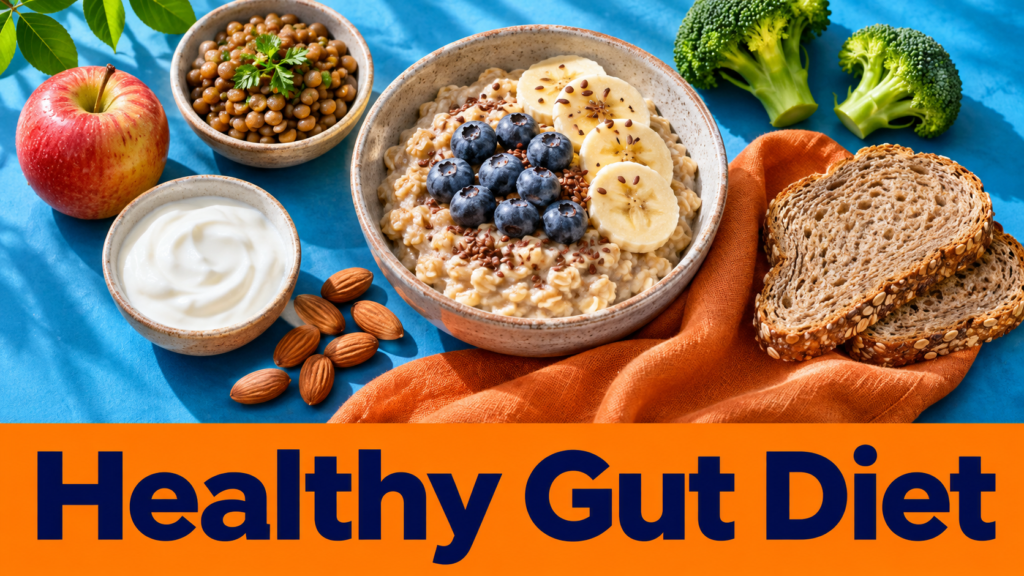
Your gut does much more than digest food. Trillions of bacteria live in your digestive tract, and together they help break down fiber, train your immune system, produce useful compounds and protect the gut lining. This community, called the gut microbiome, responds quickly to what you eat. That makes your daily diet one of the most powerful tools you have for better digestive health.
You do not need expensive powders, detox teas or complicated cleanses to eat for a healthy gut. The research points to simple, affordable habits: eat more fiber, eat a wider variety of plants, add fermented foods, and cut back on ultra-processed products. This guide explains what a gut-healthy diet looks like, which foods to choose and limit, a sample meal plan, and how to make the changes without bloating or overspending.
Table of Contents
Why Your Diet Shapes Your Gut
Fiber Feeds Your Gut Bacteria
Your gut bacteria depend on the food you can’t digest yourself. These microbes colonize the large intestine and digest the parts of our diet that we can’t absorb – namely, fiber. Our gut bugs evolved to live off fiber precisely because we can’t digest it, according to Stanford microbiologist Erica Sonnenburg. By the time the food gets to them, fiber is the main source of nutrition left.
When your gut bacteria ferment fiber, they produce helpful by-products. These compounds, such as short-chain fatty acids, help reduce inflammation, strengthen your gut lining, and support your immune system.
Diversity Is the Goal
A healthy gut is generally a diverse one. A diverse microbiome is considered a healthier microbiome. The more variety of plant-based foods and fibers you consume, the more diverse and resilient your gut bacteria become. Low diversity matters too: according to Gardner, low microbiome diversity has been linked to obesity and diabetes.
The Problem With Modern Diets
Most people simply don’t get enough fiber. Only 5% of American adults meet the U.S. daily RDAs for fiber, which is 25 grams for women under 50 and 38 grams for men. Those amounts drop to 21 and 30 grams for women and men over 50. In practice, people eat less fiber than the recommended guidelines, about 16 grams per day compared to 25 to 38 grams. Processed food is a big reason: many forms of processing strip out natural fibers. White bread, pasta and rice have much less fiber than their whole grain equivalents.
The Core Principles of a Healthy Gut Diet
1. Eat More Fiber, Gradually
Aim for your daily fiber target, but increase it slowly over a few weeks to avoid gas and bloating. Drink more water as you go, because fiber works best with enough fluid.
2. Eat a Wide Variety of Plants
Variety matters as much as the amount you eat. Research from the American Gut Project found that people who ate more than 30 different plant types per week had measurably more diverse gut microbiomes than those who ate 10 or fewer (McDonald et al., 2018). Vegetables, fruits, whole grains, legumes, nuts, seeds, herbs and spices all count toward this number.
3. Add Fermented Foods
Fermented foods have strong research behind them. In a Stanford trial, 36 healthy adults were randomly assigned to a 10-week diet that included either fermented or high-fiber foods. The two diets resulted in different effects on the gut microbiome and the immune system. The trial shows eating foods such as yogurt, kefir, fermented cottage cheese, kimchi, fermented vegetables, vegetable brine drinks, and kombucha increases overall microbial diversity, with larger servings rendering stronger effects.
The fiber group’s results were less dramatic in the short term. None of these 19 inflammatory proteins decreased in participants assigned to a high-fiber diet rich in legumes, seeds, whole grains, nuts, vegetables and fruits. On average, the diversity of their gut microbes also remained stable. Researchers think fiber works more slowly: these are indications high-fiber diets can remodel gut microbial populations but potentially at a slower rate than fermented foods. The practical lesson is to eat both.
4. Limit Ultra-Processed Foods
One of the biggest contributors to poor gut health is a diet high in ultra-processed foods and low in dietary fiber. Not every packaged food is a problem, though. Whole wheat bread and English muffins are great choices for many people, and some high-fiber cereals keep the bran from the grain.
Best Foods for a Healthy Gut
High-Fiber Plant Foods
| Food Group | Examples | Gut Benefit |
|---|---|---|
| Legumes | Lentils, chickpeas, black beans, kidney beans | Very high in fiber and resistant starch |
| Whole grains | Oats, barley, brown rice, quinoa, whole wheat | Beta-glucan and bran fiber |
| Vegetables | Broccoli, carrots, spinach, onions, garlic | Fiber plus prebiotic compounds |
| Fruits | Berries, apples, pears, kiwi, bananas | Soluble fiber and polyphenols |
| Nuts and seeds | Chia, flaxseed, almonds, walnuts | Fiber and healthy fats |
| Herbs and spices | Ginger, turmeric, cumin, fresh herbs | Add plant variety easily |
Fermented Foods
- Yogurt and kefir: Choose plain versions labeled with live and active cultures.
- Kimchi and sauerkraut: Buy refrigerated, unpasteurized versions for live cultures.
- Miso and tempeh: Fermented soy foods that are easy to add to soups and stir-fries.
- Kombucha: Watch the sugar content in store-bought brands.
- Traditional pickles and curd: Homemade yogurt or curd is an affordable everyday option.
Prebiotic Foods
Prebiotic foods contain fibers that specifically feed beneficial bacteria. Good sources include onions, garlic, leeks, asparagus, slightly green bananas, oats, barley and cooled cooked potatoes or rice, which form resistant starch.
Foods to Limit
| Limit These | Why | Better Swap |
|---|---|---|
| Sugary drinks and sweets | Low fiber, high added sugar | Water, plain tea, whole fruit |
| White bread and refined pasta | Fiber removed in processing | Whole grain versions |
| Processed meats | Linked to poorer health outcomes | Beans, fish, eggs |
| Packaged snacks and chips | Low fiber, high salt and fat | Nuts, roasted chickpeas |
| Heavy alcohol use | Can irritate the gut | Limit or avoid |
| Fried fast food | Low in fiber and plants | Home-cooked meals |
Sample One-Day Healthy Gut Meal Plan
| Meal | Example | Gut-Friendly Features |
|---|---|---|
| Breakfast | Overnight oats with chia seeds, berries and plain yogurt | Fiber, plants, live cultures |
| Mid-morning | An apple with a handful of almonds | Fiber, plant variety |
| Lunch | Lentil and vegetable soup with whole grain bread | Legumes, whole grains |
| Snack | Kefir or a small bowl of curd | Fermented food |
| Dinner | Brown rice or quinoa bowl with tofu, broccoli, carrots and kimchi | Fiber, fermented food, variety |
| Evening | Herbal tea such as ginger or peppermint | Gentle on digestion |
This one day already includes more than 12 different plant foods, which makes the 30-a-week goal very achievable.
Smart Habits Beyond Food
Eat Slowly and Regularly
Chewing well and eating at regular times helps digestion. Rushed meals can lead to swallowing air and more bloating.
Stay Hydrated
Water helps fiber move smoothly through the digestive tract and prevents constipation when you increase fiber.
Move Your Body
Regular physical activity supports healthy bowel movements and overall metabolic health.
Manage Stress and Sleep
Stress and poor sleep can affect digestion. Simple habits like walking, breathing exercises and a steady sleep schedule support both mind and gut.
Use Antibiotics Only When Needed
Antibiotics can be lifesaving, but they also disturb gut bacteria. Take them only when a doctor prescribes them, and always finish the course as directed.
Common Mistakes to Avoid
- Adding too much fiber too fast: This causes gas, cramps and bloating. Increase slowly.
- Relying only on supplements: Whole foods offer fiber, nutrients and variety that pills can’t match.
- Buying sugary “gut health” drinks: Many flavored kombuchas and probiotic drinks contain a lot of sugar.
- Eating the same few foods every day: Rotate grains, beans, vegetables and fruits each week.
- Ignoring warning signs: Ongoing pain, blood in stool, weight loss or major bowel changes need a doctor’s evaluation.
Budget, Insurance and Healthy Spending
A gut-healthy diet can be one of the cheapest ways to eat well. Dried beans, lentils, oats, seasonal vegetables, bananas and homemade yogurt cost much less than specialty supplements and premium “gut health” products. Buying frozen vegetables and fruit, cooking in batches and buying grains and legumes in bulk all lower costs further.
Health insurance generally does not pay for groceries or over-the-counter gut supplements, but many plans cover preventive checkups, nutrition counseling in some cases, and screening for digestive conditions. If you have ongoing digestive symptoms, use your covered doctor visits before spending heavily on supplements. A registered dietitian can also help with conditions such as IBS, where specialized plans like low-FODMAP diets should be done under guidance.
| Item | Relative Cost | Value for Gut Health |
|---|---|---|
| Dried beans and lentils | Very low | Excellent |
| Oats and barley | Low | Excellent |
| Frozen vegetables and berries | Low | Very good |
| Homemade yogurt or curd | Low | Very good |
| Store-bought kimchi or kefir | Moderate | Good |
| Premium probiotic supplements | High | Varies by strain |
Final Thoughts
A healthy gut diet is built on everyday food, not expensive products. Eat more fiber from a wide variety of plants, aim for around 30 different plant foods a week, add fermented foods like yogurt, kefir and kimchi, and cut back on ultra-processed snacks and sugary drinks. Make changes gradually, drink enough water, and support your gut with sleep, movement and stress management. If you have persistent digestive symptoms, see a doctor before making big dietary changes on your own.
Frequently Asked Questions
1. What is the best food for gut health?
There is no single best food. A mix of fiber-rich plants, such as beans, oats, vegetables and fruit, plus fermented foods like yogurt and kimchi, works best.
2. How much fiber should I eat daily?
Most adults need about 25 to 38 grams a day, depending on age and sex. Increase it slowly to avoid bloating.
3. How fast can diet change gut health?
Your gut bacteria can start to shift within days of a diet change, but lasting benefits come from steady habits over weeks and months.