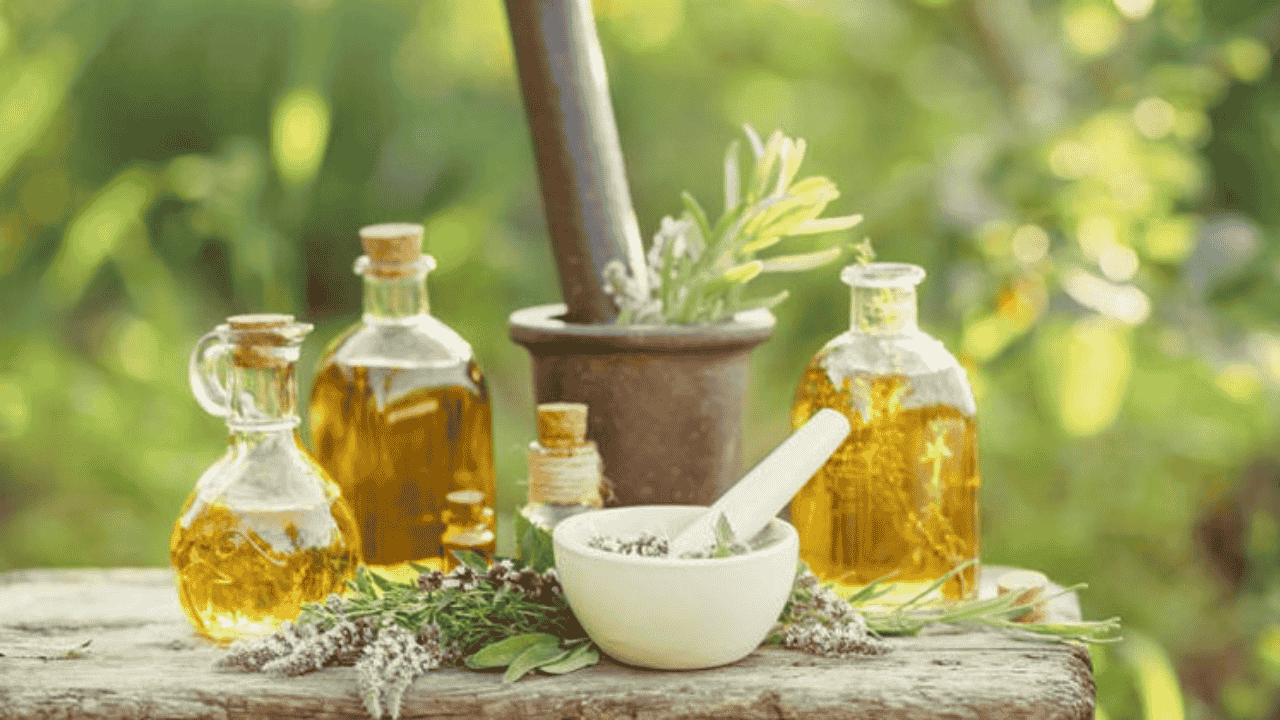
Preventive healthcare focuses on maintaining health and avoiding diseases before they develop. In recent years, herbal medicine has gained significant attention as a natural and sustainable approach to prevention. Instead of relying solely on treatments after illness, people are now turning to plant-based remedies to strengthen the body’s natural defense system.
Herbal medicine, deeply rooted in traditional systems like Ayurveda, emphasizes balance, immunity, and long-term wellness. By incorporating herbs, nutrition, and lifestyle practices, preventive healthcare becomes more holistic and proactive. This article explores how herbal medicine supports prevention and overall well-being.
Table of Contents
Preventive Basics
Overview of Herbal Preventive Care
| Preventive Aspect | Key Benefit |
|---|---|
| Immune Support | Strengthens body defense mechanisms |
| Detoxification | Removes toxins and improves organ function |
| Stress Reduction | Enhances mental and physical balance |
| Nutritional Support | Provides essential vitamins and minerals |
| Chronic Prevention | Reduces risk of long-term diseases |
Preventive healthcare through herbal medicine focuses on maintaining internal balance and improving resilience. Herbs provide natural compounds that support immunity, reduce inflammation, and protect against infections and chronic conditions.
Herbal Functions
- Immune Boosting
- Herbs like amla and giloy enhance the immune response
- Help the body fight infections naturally
- Anti-Inflammatory Effects
- Reduce chronic inflammation in the body
- Support joint and tissue health
- Antioxidant Protection
- Neutralize harmful free radicals
- Slow down aging and cellular damage
- Detoxification Support
- Promote liver and kidney health
- Help eliminate toxins
- Digestive Improvement
- Enhance nutrient absorption
- Maintain gut health
These functions make herbal medicine an effective tool for preventing diseases rather than just treating them after onset.
Daily Practices
Incorporating herbal medicine into daily life is simple and effective. Many people consume herbal teas, supplements, or powders to maintain health. Herbs such as tulsi, ginger, and turmeric are commonly used in everyday diets for their preventive benefits.
Regular use of herbal remedies helps maintain balance in the body. When combined with a healthy lifestyle, including proper diet and exercise, these practices significantly reduce the risk of illness and improve overall well-being.
Key Herbs
- Amla (Indian Gooseberry)
- Rich in vitamin C and antioxidants
- Supports immunity and skin health
- Ashwagandha
- Reduces stress and improves resilience
- Supports hormonal balance
- Tulsi (Holy Basil)
- Provides antibacterial and antiviral benefits
- Supports respiratory health
- Giloy (Guduchi)
- Enhances immunity and detoxification
- Helps manage chronic conditions
- Turmeric
- Contains curcumin with anti-inflammatory properties
- Supports joint and digestive health
These herbs are widely used in Ayurveda and other traditional systems for preventive care. Their natural properties make them safe and effective when used correctly.
Modern Relevance
Herbal medicine is increasingly being integrated into modern healthcare systems. As people become more aware of the side effects of synthetic drugs, they are exploring natural alternatives for long-term health maintenance. Herbal supplements are now widely available and supported by scientific research.
Healthcare professionals are also recognizing the importance of preventive approaches. Organizations like the World Health Organization have acknowledged the value of traditional medicine in improving global health outcomes. This has further strengthened the role of herbal medicine in preventive care.
Lifestyle Impact
- Balanced Diet
- Combines herbs with nutritious foods
- Supports overall body function
- Regular Exercise
- Enhances circulation and immunity
- Works synergistically with herbal remedies
- Stress Management
- Practices like yoga and meditation
- Complement herbal treatments
- Sleep Quality
- Improves recovery and immunity
- Supports mental health
- Routine Checkups
- Early detection of health issues
- Prevents complications
Lifestyle choices play a crucial role in preventive healthcare. Herbal medicine works best when combined with healthy habits, creating a comprehensive approach to wellness.
In Summary
The future of herbal medicine in preventive healthcare looks promising. With increasing research and technological advancements, more herbal formulations are being developed for specific health conditions. This is expanding the scope of preventive medicine globally.
Digital healthcare platforms and wellness programs are also promoting herbal solutions. As awareness grows, more individuals are expected to adopt natural preventive strategies, making herbal medicine an essential part of modern healthcare systems.