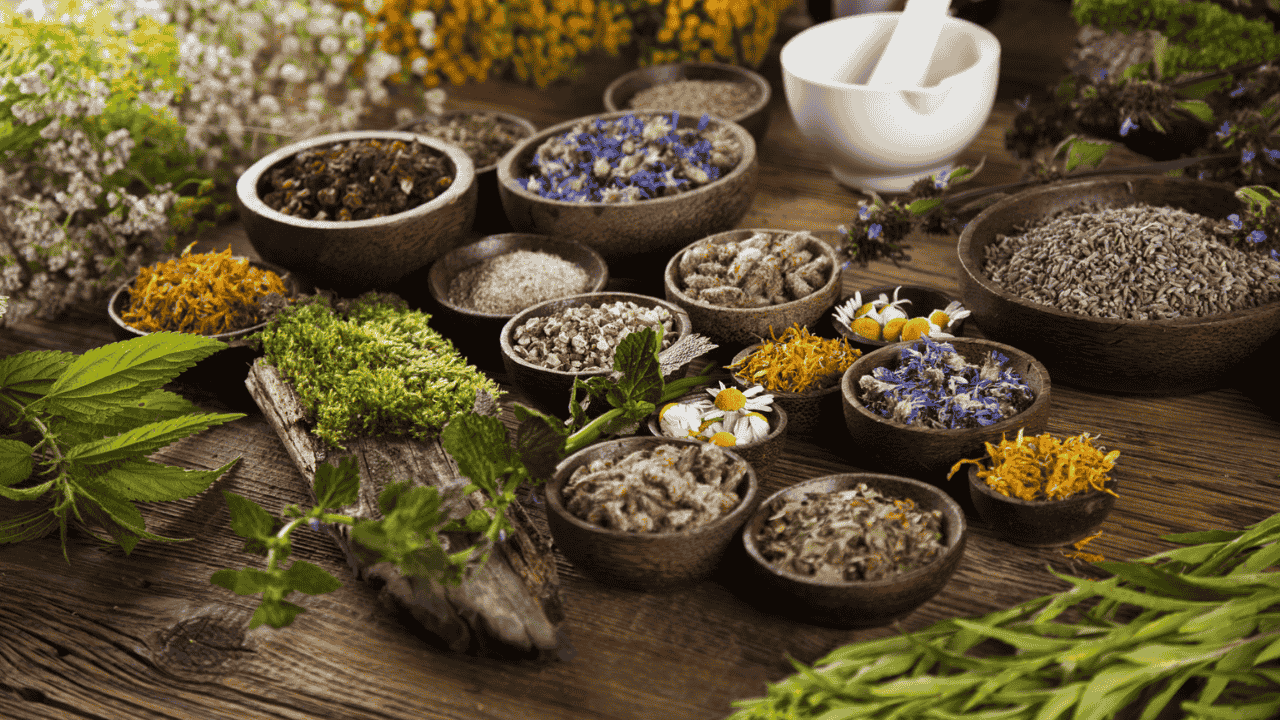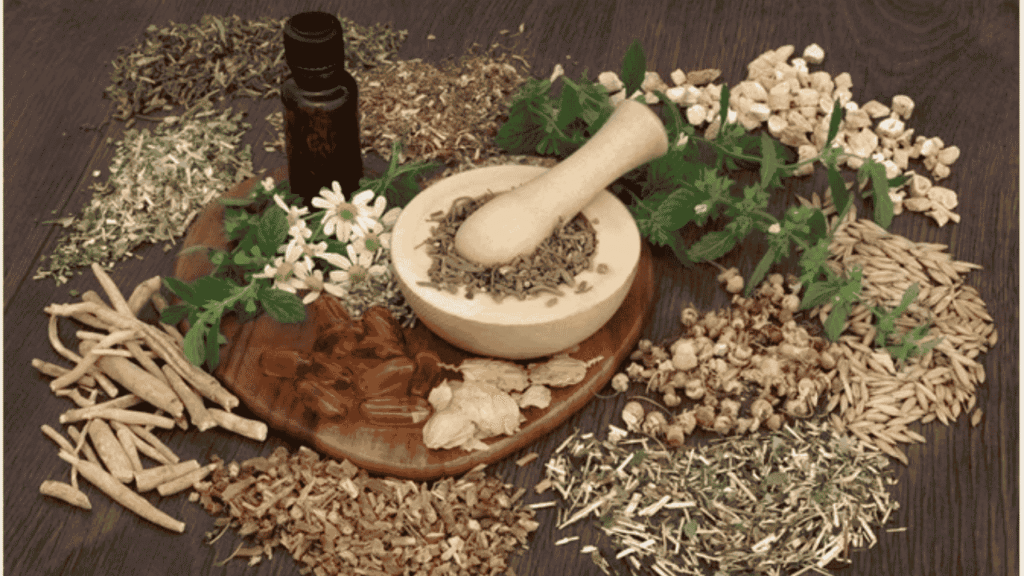
Herbal medicine has been an integral part of human healthcare for centuries and continues to play a vital role in modern medical systems. With increasing awareness of natural healing and preventive care, herbal treatments are gaining recognition alongside conventional medicine. These plant-based therapies offer safe, sustainable, and holistic solutions for various health conditions.
Traditional systems like Ayurveda have significantly influenced the integration of herbal medicine into modern healthcare. Today, many hospitals and wellness centers are adopting a combined approach that includes both herbal and pharmaceutical treatments.
Table of Contents
Healthcare Role
Overview of Herbal Medicine in Modern Systems
| Role Area | Key Contribution |
|---|---|
| Preventive Care | Reduces risk of diseases |
| Chronic Treatment | Supports long-term disease management |
| Complementary Therapy | Works with modern medicine |
| Natural Healing | Uses plant-based remedies |
| Holistic Approach | Treats body and mind together |
Herbal medicine supports modern healthcare by providing alternative and complementary treatment options. It enhances patient care by focusing on long-term health and well-being.
Clinical Integration
- Combined Treatments
- Used alongside modern medicine
- Improves overall treatment effectiveness
- Hospital Adoption
- Many hospitals include herbal therapies
- Integrative healthcare models are growing
- Chronic Disease Care
- Helps manage conditions like diabetes and arthritis
- Reduces dependency on long-term medication
- Rehabilitation Support
- Assists in recovery and healing
- Improves patient outcomes
- Patient Preference
- Increasing demand for natural treatments
- Higher acceptance among patients
Clinical integration allows herbal medicine to complement modern treatments, providing a balanced approach to healthcare.
Preventive Benefits
Herbal medicine plays a crucial role in preventive healthcare by strengthening the immune system and maintaining body balance. Regular use of herbal remedies can help prevent common illnesses and reduce the risk of chronic diseases.
By focusing on lifestyle, diet, and natural therapies, herbal medicine promotes long-term health. This preventive approach reduces healthcare costs and improves quality of life.
Therapeutic Uses
- Immune Support
- Enhances the body’s defense system
- Reduces the risk of infections
- Anti-Inflammatory Effects
- Helps manage inflammation
- Supports joint and muscle health
- Digestive Health
- Improves digestion and metabolism
- Prevents gastrointestinal issues
- Mental Health Support
- Reduces stress and anxiety
- Improves sleep quality
- Detoxification
- Cleanses the body naturally
- Supports liver and kidney function
These therapeutic uses highlight the versatility of herbal medicine in treating a wide range of health conditions.
Global Acceptance
The global acceptance of herbal medicine is growing rapidly. Countries around the world are incorporating traditional medicine into their healthcare systems. In India, government initiatives have strengthened the role of herbal medicine through dedicated programs and institutions.
Organizations like the World Health Organization support the integration of traditional medicine into modern healthcare. This has encouraged research, standardization, and wider adoption of herbal treatments.
Industry Impact
- Pharmaceutical Industry
- Development of herbal-based medicines
- Increased research in plant compounds
- Wellness Sector
- Growth of natural health products
- Expansion of wellness centers
- Healthcare Innovation
- Integration with modern technologies
- Development of new treatment methods
- Employment Opportunities
- Rising demand for herbal practitioners
- Growth in research and development roles
- Global Market Growth
- Increasing demand for herbal products
- Expansion of international trade
Herbal medicine is contributing to economic growth and innovation in the healthcare industry.
Emerging Trends
Herbal medicine is evolving rapidly with the integration of modern science and technology, making it more reliable and widely accepted in healthcare systems. Advanced research techniques are helping identify active compounds in medicinal plants, improving the quality, safety, and effectiveness of herbal treatments. This scientific validation is increasing trust among both healthcare professionals and patients.
Additionally, digital platforms and telehealth services are making herbal consultations more accessible than ever. Systems like Ayurveda are being adapted to modern lifestyles through online services, personalized wellness plans, and global outreach. These developments are shaping a new era where herbal medicine becomes more standardized, accessible, and integrated into everyday healthcare.
Parting Insights
Herbal medicine is becoming an essential part of modern healthcare systems by offering natural, effective, and holistic treatment options. Its integration with conventional medicine enhances patient care and supports long-term health.
With growing global acceptance and continuous research, herbal medicine is set to play an even greater role in the future of healthcare. It provides a balanced approach that combines traditional wisdom with modern medical advancements.