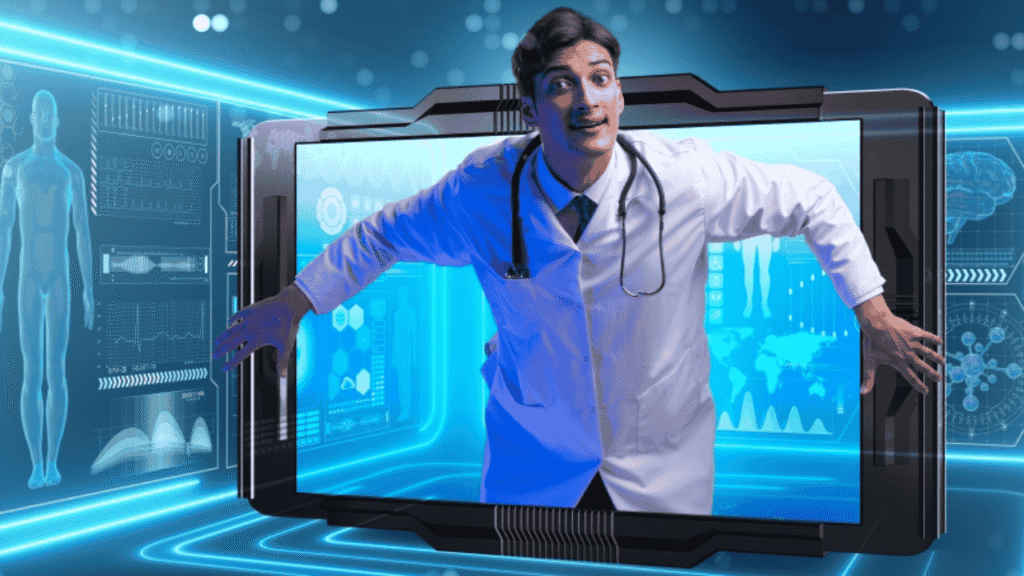
Telemedicine is transforming the way healthcare is delivered by enabling patients and doctors to connect remotely through digital platforms. With the rise of smartphones, internet access, and advanced communication tools, healthcare is becoming more accessible, efficient, and patient-centered. This shift is especially valuable for individuals in remote or underserved areas.
The integration of telemedicine with traditional systems like Ayurveda and modern healthcare is creating a more flexible and inclusive model. By reducing the need for physical visits, telemedicine is reshaping the future of healthcare delivery.
Table of Contents
Digital Overview
Overview of Telemedicine Impact
| Feature | Key Benefit |
|---|---|
| Remote Consultations | Access doctors from anywhere |
| Digital Prescriptions | Quick and paperless treatment plans |
| Real-Time Monitoring | Continuous patient tracking |
| Cost Efficiency | Reduces travel and hospital expenses |
| Improved Access | Reaches rural and remote populations |
Telemedicine platforms provide a seamless healthcare experience by combining technology with medical expertise. This approach improves patient convenience and enhances the efficiency of healthcare systems.
Key Benefits
- Accessibility
- Connect with healthcare providers anytime
- Ideal for rural and remote areas
- Convenience
- No need for travel or waiting
- Quick consultations from home
- Cost Savings
- Reduces transportation and hospital costs
- Affordable healthcare options
- Time Efficiency
- Faster diagnosis and treatment
- Immediate access to medical advice
- Safety
- Minimizes exposure to infections
- Useful during health emergencies
These benefits make telemedicine a powerful tool for modern healthcare, improving both access and quality of care.
Patient Experience
Telemedicine enhances patient experience by offering personalized and flexible care. Patients can schedule appointments, consult doctors, and receive prescriptions without leaving their homes. This convenience is particularly beneficial for elderly individuals and those with mobility issues.
Digital platforms also allow patients to maintain records of their medical history, making it easier for doctors to provide accurate diagnoses. This improves communication and ensures better continuity of care.
Technology Role
- Mobile Applications
- Enable easy access to healthcare services
- Provide user-friendly interfaces
- Video Conferencing
- Allows face-to-face interaction with doctors
- Improves diagnosis accuracy
- Wearable Devices
- Monitor health metrics in real time
- Support preventive care
- Cloud Storage
- Stores patient data securely
- Enables easy access to records
- AI Integration
- Assists in diagnosis and decision-making
- Improves healthcare efficiency
Technology is the backbone of telemedicine. It ensures secure, efficient, and reliable healthcare delivery across different platforms.
Healthcare Access
Telemedicine plays a crucial role in improving healthcare access, especially in countries like India, where rural areas often lack adequate medical facilities. It bridges the gap between patients and healthcare providers, ensuring timely medical attention.
By eliminating geographical barriers, telemedicine enables patients to consult specialists from different locations. This improves the quality of care and expands treatment options.
Industry Impact
- Hospital Efficiency
- Reduces patient load in hospitals
- Optimizes resource utilization
- Healthcare Expansion
- Enables services in remote areas
- Increases the reach of healthcare providers
- Cost Reduction
- Lowers operational costs
- Makes healthcare more affordable
- Innovation Growth
- Encourages the development of new technologies
- Drives digital transformation
- Global Connectivity
- Connects patients with international experts
- Expands healthcare networks
Telemedicine is reshaping the healthcare industry by making it more efficient, accessible, and innovative.
Prospective Trends
The future of telemedicine looks promising with continuous advancements in technology. AI-driven diagnostics, remote surgeries, and personalized healthcare solutions are expected to become more common. These innovations will further improve the quality and accessibility of healthcare.
As digital health platforms continue to evolve, telemedicine will play a central role in global healthcare systems. It will support preventive care, chronic disease management, and emergency services.
Closing Reflections
Telemedicine is revolutionizing healthcare by making it more accessible, efficient, and patient-focused. By combining technology with medical expertise, it offers a modern solution to traditional healthcare challenges.
With increasing adoption and technological advancements, telemedicine is set to shape the future of healthcare. It provides a flexible and sustainable approach that benefits both patients and healthcare providers.