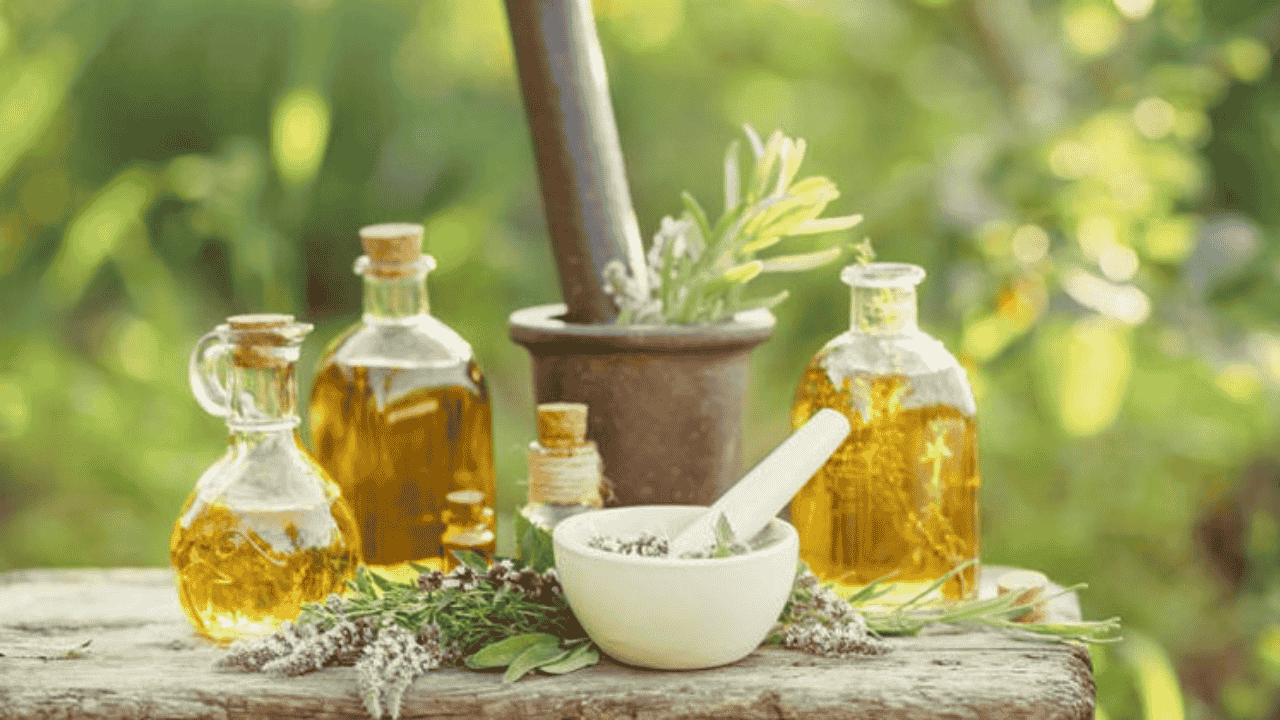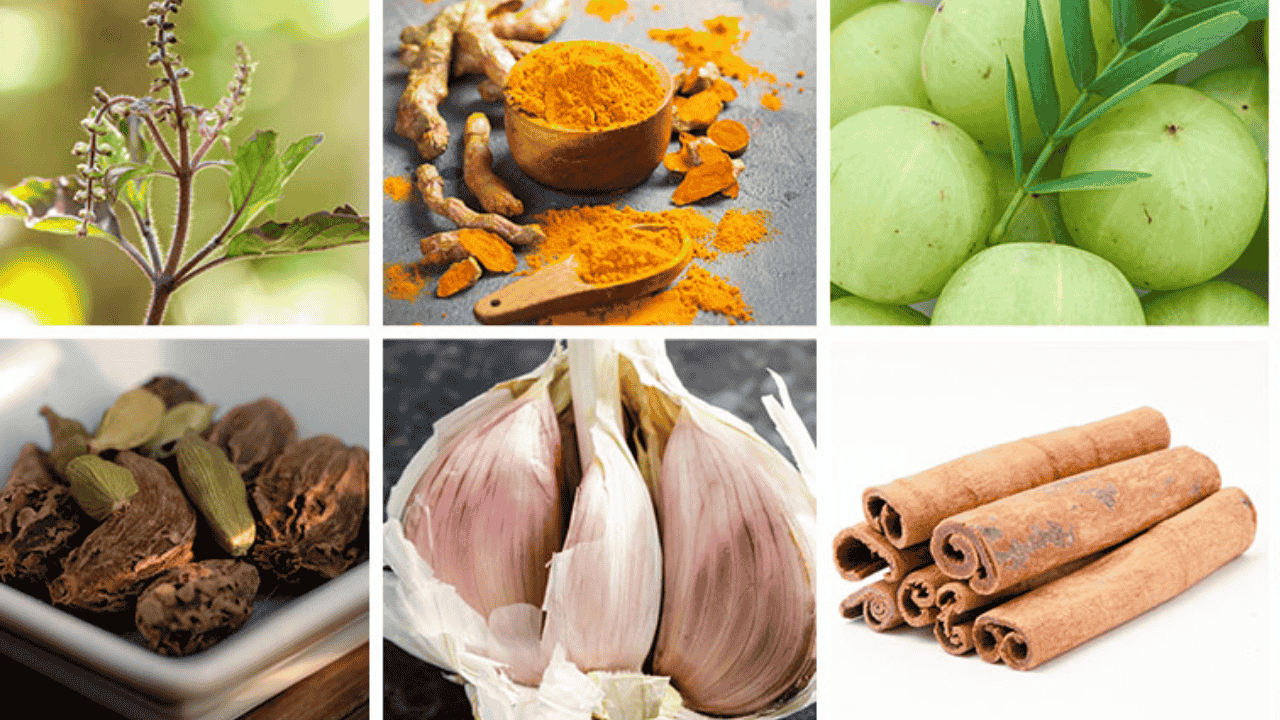
Becoming a certified herbal medicine practitioner is a rewarding career choice for individuals passionate about natural healing and holistic healthcare. With the increasing demand for plant-based treatments, certified professionals are needed to provide safe, effective, and evidence-based herbal care. Certification not only builds credibility but also opens doors to professional practice and career growth.
Rooted in traditional systems like Ayurveda, herbal medicine combines ancient knowledge with modern scientific understanding. This guide outlines the essential steps, qualifications, and strategies to become a certified herbal practitioner.
Table of Contents
Certification Overview
Overview of Certification Path
| Step | Key Requirement |
|---|---|
| Education | Study herbal medicine or a related field |
| Training | Gain practical clinical experience |
| Certification | Complete a recognized certification program |
| Licensing | Follow regional regulations |
| Practice | Start professional career |
A structured certification path ensures that practitioners are well-trained and capable of providing safe treatments. It also helps build trust with clients and healthcare organizations.
Education Path
- Formal Degrees
- Courses like BAMS or BNYS provide strong foundations
- Include anatomy, physiology, and herbal pharmacology
- Diploma Programs
- Focus on herbal medicine basics and applications
- Ideal for beginners or career changers
- Online Courses
- Flexible learning options with certification
- Cover herbal preparation and safety
- Advanced Studies
- Postgraduate programs for specialization
- Research opportunities in herbal science
Education is the first and most important step. Institutions offering training in Ayurveda provide both theoretical knowledge and practical exposure needed for certification.
Training Process
Practical training is essential to becoming a competent herbal practitioner. Students often complete internships or apprenticeships under experienced professionals. This helps in understanding real-life patient care and herbal treatment methods.
Hands-on experience includes preparing herbal remedies, learning dosage guidelines, and observing patient responses. This stage builds confidence and ensures readiness for professional practice.
Certification Types
- Certified Herbalist
- Basic professional certification
- Covers herbal identification and usage
- Registered Herbalist (RH)
- Advanced certification with clinical requirements
- Recognized internationally
- Ayurvedic Practitioner Certification
- Focuses on holistic diagnosis and treatment
- Combines herbs with lifestyle therapies
- Naturopathy Certification
- Emphasizes drugless healing methods
- Includes nutrition and lifestyle management
- Yoga and Wellness Certifications
- Complement herbal practice
- Focus on mind-body healing
Different certifications cater to various career goals. Choosing the right one depends on your specialization and professional aspirations.
Skill Development
- Herbal Knowledge
- Identify medicinal plants and properties
- Understand preparation methods
- Clinical Skills
- Diagnose and assess patient conditions
- Recommend suitable treatments
- Communication Skills
- Explain therapies clearly
- Build patient trust
- Research Ability
- Stay updated with new developments
- Evaluate treatment effectiveness
- Ethical Practice
- Follow safety guidelines
- Maintain professional standards
Strong skills are essential for delivering effective and safe treatments. Continuous learning helps practitioners stay relevant in the field.
Legal Requirements
Legal requirements vary depending on location. In India, practicing herbal medicine professionally often requires recognized qualifications under AYUSH systems. Certification from accredited institutions ensures compliance with regulations.
Practitioners must also follow ethical guidelines and maintain proper documentation. Understanding legal requirements is crucial for building a trustworthy and sustainable practice.
Career Options
- Private Practice
- Start your own clinic
- Offer personalized consultations
- Wellness Centers
- Work in spas and holistic clinics
- Provide natural therapy services
- Hospitals
- Join the AYUSH departments
- Collaborate with doctors
- Online Consultation
- Provide remote healthcare services
- Reach a global audience
- Herbal Business
- Develop and sell herbal products
- Build a wellness brand
Certification opens multiple career paths. Practitioners can choose roles based on their interests and expertise.
Growth Strategy
- Continuous Learning
- Attend workshops and seminars
- Stay updated with research
- Networking
- Connect with professionals and organizations
- Join herbal associations
- Specialization
- Focus on areas like nutrition or chronic disease
- Enhance expertise
- Digital Presence
- Offer online consultations
- Build a personal brand
- Client Experience
- Provide quality care
- Build long-term relationships
Strategic growth helps practitioners expand their careers and build a strong reputation in the industry.
Closing Perspectives
Becoming a certified herbal medicine practitioner requires dedication, proper education, and practical experience. By following a structured path and obtaining recognized certification, individuals can establish themselves as trusted professionals in natural healthcare.
With the rising demand for holistic treatments, this career offers strong growth opportunities. Combining traditional knowledge with modern practices ensures long-term success and meaningful contributions to healthcare.