A career as a herbal medicine practitioner offers a unique opportunity to combine natural healing with professional healthcare practice. As more people seek alternatives to synthetic treatments, the demand for herbal experts is steadily increasing. This field focuses on using plant-based remedies to promote wellness, prevent illness, and support recovery.
Rooted in traditional systems like Ayurveda, herbal medicine emphasizes holistic care and long-term health. Starting a career in this field requires proper education, practical training, and a strong understanding of medicinal plants. This guide outlines the essential steps to build a successful career.
Table of Contents
Career Basics
Overview of the Herbal Practitioner Path
| Step | Key Requirement |
|---|---|
| Education | Degree or certification in herbal medicine |
| Training | Practical clinical experience |
| Licensing | Certification based on region |
| Skills | Knowledge of herbs and diagnosis |
| Practice | Clinic, wellness center, or online |
A structured approach helps build a strong foundation in herbal medicine. Combining theoretical knowledge with hands-on experience ensures that practitioners can provide safe and effective treatments.
Education Path
- Formal Degree
- Courses like BAMS or BNYS provide in-depth knowledge
- Include subjects like anatomy, physiology, and herbal pharmacology
- Diploma Courses
- Short-term programs in herbal medicine
- Suitable for beginners or career switchers
- Certification Programs
- Specialized training in herbal therapies
- Focus on practical applications
- Advanced Studies
- Postgraduate degrees for specialization
- Research opportunities in herbal science
Education is the first step toward becoming a professional herbal practitioner. Institutions offering courses in Ayurveda provide both theoretical and practical training essential for this career.
Skill Building
- Plant Knowledge
- Identify medicinal herbs and their properties
- Understand preparation methods
- Clinical Skills
- Assess patient conditions
- Recommend appropriate treatments
- Communication
- Explain therapies clearly to clients
- Build trust and long-term relationships
- Research Ability
- Stay updated with new findings
- Evaluate the effectiveness of treatments
- Ethical Practice
- Ensure patient safety and confidentiality
- Follow professional guidelines
Strong skills are essential for delivering effective treatments and building credibility. Continuous learning and practice help improve expertise over time.
Training Steps
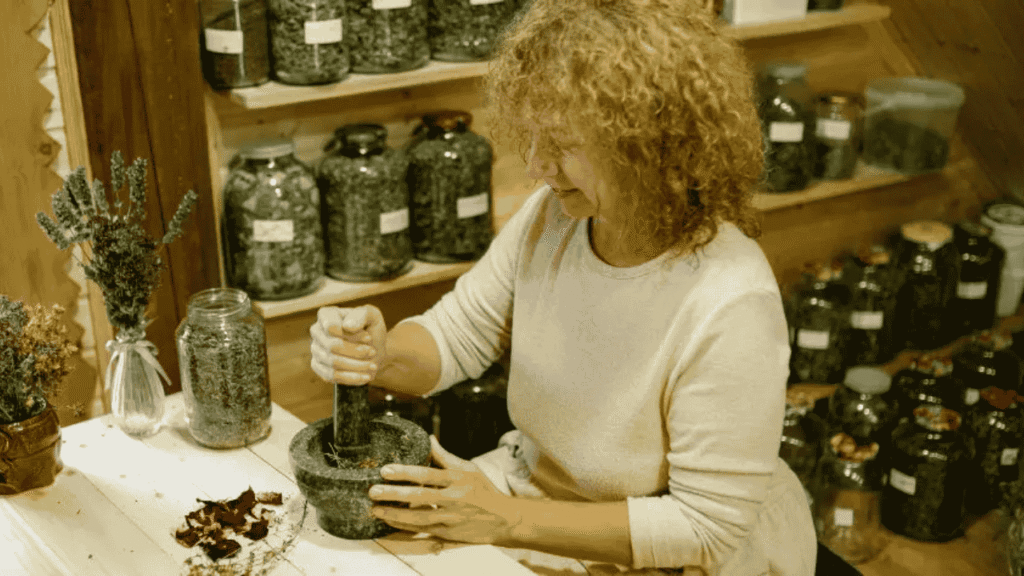
Practical training is crucial in herbal medicine. Internships and apprenticeships under experienced practitioners provide real-world exposure. Students learn how to prepare remedies, diagnose conditions, and interact with patients.
Hands-on experience also helps in understanding the correct dosage and application of herbs. This stage is important for building confidence and gaining practical knowledge before starting independent practice.
Practice Options
- Private Clinic
- Start your own herbal practice
- Offer personalized consultations
- Wellness Centers
- Work in spas or holistic health centers
- Provide natural therapy services
- Hospitals
- Join the AYUSH departments
- Collaborate with modern healthcare professionals
- Online Consultation
- Provide remote healthcare services
- Reach a wider audience
- Product Business
- Develop and sell herbal products
- Build a wellness brand
These options provide flexibility and diverse career opportunities. Practitioners can choose paths based on their interests and expertise.
Legal Aspects
Legal requirements vary by country and region. In India, practicing herbal medicine professionally often requires recognized qualifications under AYUSH systems. Proper certification ensures credibility and compliance with healthcare regulations.
Practitioners must also follow safety standards and ethical guidelines. Maintaining proper documentation and patient records is essential for professional practice.
Career Growth
The herbal medicine field offers strong growth potential. With increasing awareness of natural healthcare, demand for qualified practitioners is rising. Professionals can expand their careers through specialization, research, or entrepreneurship.
Collaboration with organizations like the World Health Organization’s initiatives on traditional medicine further enhances opportunities. Continuous education and innovation play a key role in long-term success.
Closing Reflections
Starting a career as a herbal medicine practitioner requires dedication, proper education, and practical experience. By combining traditional knowledge with modern healthcare practices, individuals can build a rewarding and impactful career.
With growing global demand for natural healing, this field offers numerous opportunities for professional growth. By focusing on quality care, ethical practice, and continuous learning, aspiring practitioners can achieve long-term success in herbal medicine.