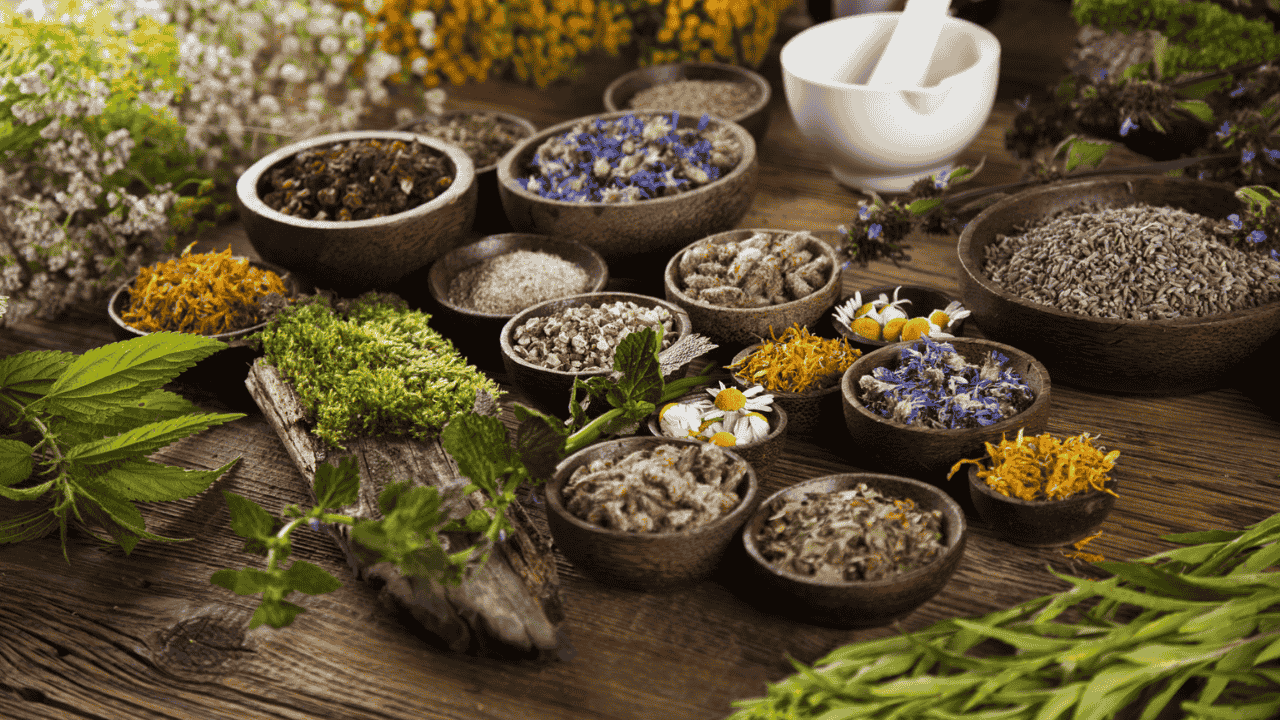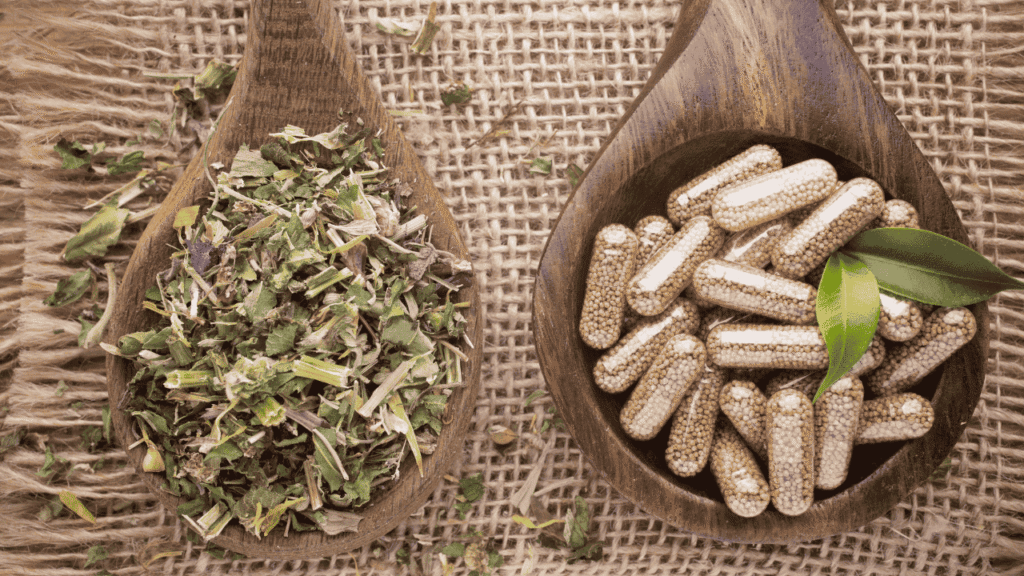
Phoenix Medicinary emphasizes a holistic and preventive approach to health, often recommending herbal medicines that support long-term wellness. These herbs are typically chosen for their natural healing properties, minimal side effects, and ability to improve both physical and mental health.
Many of these herbal remedies align with traditional systems like Ayurveda, widely practiced in regions such as Europe and Asia. They are valued for their role in boosting immunity, reducing stress, and enhancing overall body balance.
Table of Contents
Herbal Medicine Overview
| Herb | Key Benefit |
|---|---|
| Ashwagandha | Stress reduction and energy boost |
| Tulsi | Immunity and respiratory support |
| Neem | Detoxification and skin health |
| Turmeric | Anti-inflammatory and antioxidant |
| Brahmi | Brain function and memory improvement |
| Ginger | Digestion and inflammation relief |
Adaptogenic Herbs
- Ashwagandha: Reduces stress and improves stamina
- Tulsi (Holy Basil): Supports immunity and mental balance
- Brahmi: Enhances cognitive function and focus
- Shatavari: Supports hormonal balance
Adaptogenic herbs are commonly recommended because they help the body cope with stress and restore balance. For example, Ashwagandha is widely known for reducing anxiety and improving energy levels while also supporting sleep and recovery.
Tulsi and Brahmi are also valued for their calming effects and ability to enhance mental clarity. These herbs are especially useful for individuals dealing with stress, fatigue, or cognitive challenges.
Immunity Boosters
- Amla: Rich in vitamin C and antioxidants
- Guduchi: Strengthens immune response
- Tulsi: Protects against infections
- Turmeric: Fights inflammation and oxidative stress
Herbs that boost immunity are a core part of Phoenix Medicinary recommendations. Amla, for instance, is known for its high antioxidant content, which helps strengthen the body’s natural defenses.
Turmeric, containing curcumin, plays a major role in reducing inflammation and improving overall health. It is commonly used in daily diets to support long-term immunity.
Digestive Support
- Ginger: Aids digestion and reduces nausea
- Triphala: Supports gut health and detoxification
- Cumin: Improves enzyme activity
- Fenugreek: Helps regulate metabolism
Digestive health is a key focus in holistic medicine. Ginger is widely used to relieve nausea and support digestion, making it a staple herbal remedy.
Triphala, a combination of three fruits, is particularly effective for detoxification and maintaining gut balance. It is often recommended for long-term digestive health improvement.
Detox Herbs
- Neem: Purifies blood and improves skin
- Guduchi: Supports liver function
- Aloe Vera: Aids detox and digestion
- Triphala: Removes toxins naturally
Detoxification is an important part of maintaining overall health. Neem is widely recognized for its antibacterial and cleansing properties, making it beneficial for skin and internal detox.
These herbs help eliminate toxins from the body while supporting organs like the liver and digestive system, contributing to improved vitality.
Mental Wellness
- Brahmi: Enhances memory and focus
- Ashwagandha: Reduces anxiety
- Shankhapushpi: Supports relaxation
- Tulsi: Promotes emotional balance
Mental health is a key component of Phoenix Medicinary’s approach. Brahmi is particularly effective in improving memory, concentration, and cognitive performance.
Ashwagandha and Tulsi further support emotional well-being by reducing stress and promoting a calm mental state, making them ideal for modern lifestyles.
Anti Inflammatory
- Turmeric: Reduces inflammation
- Ginger: Relieves pain and swelling
- Guduchi: Supports immune balance
- Neem: Helps with skin inflammation
Anti-inflammatory herbs are essential for managing chronic conditions and improving recovery. Turmeric is one of the most powerful natural anti-inflammatory agents, widely used in both food and medicine.
Ginger also contributes by reducing pain and improving circulation. Together, these herbs support joint health and overall physical well-being.
Daily Usage
- Herbal Teas: Tulsi, ginger, and Brahmi
- Powders: Ashwagandha and Triphala
- Diet Inclusion: Turmeric in meals
- Topical Use: Neem for skin care
Incorporating herbal medicines into daily routines is simple and effective. Many herbs can be consumed as teas, powders, or added to regular meals.
Consistency is key to experiencing long-term benefits. Regular use helps maintain balance and prevents health issues over time.
Safety Considerations
- Moderation: Avoid excessive use
- Consultation: Seek professional advice
- Allergies: Check for reactions
- Interactions: Be aware of medications
While herbal medicines are generally safe, they should be used responsibly. Some herbs may interact with medications or cause side effects if taken in large amounts.
Consulting a healthcare professional ensures safe and effective use, especially for individuals with existing health conditions.
Final Analysis
Herbal medicines recommended by Phoenix Medicinary experts focus on balance, prevention, and natural healing. From stress relief to immunity support, these herbs provide a wide range of health benefits.
By integrating these remedies into daily life, individuals can improve their overall well-being sustainably and naturally. This approach highlights the growing importance of herbal medicine in modern healthcare systems.